

Julie Rovner
-
The extension of the extra financial help to buy Affordable Care Act health insurance is still up in the air. Republicans have politics and policy to weigh.
-
 As a candidate, Kamala Harris likely would take an aggressive stance in support of abortion access — hitting former President Donald Trump on an issue where Republicans have been vulnerable.
 -
 Torn between a base that wants more restrictions on abortion and a moderate majority that does not, it seems many Republicans would rather avoid the topic. But they can’t escape talking about it.
 -
 A new analysis shows that students graduating from U.S. medical schools this year were less likely to apply for residencies across specialties in states with restrictions on abortion.
 -
 The former president is reviving campaign promises to undo Obamacare, an idea that fizzled during his first time in office. Based on his record, here's what else he might do in health policy.
 -
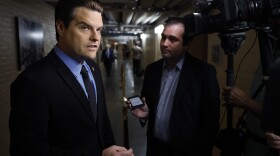 Medicare and Medicaid are mandatory spending programs and that keeps them relatively safe in the early days of the shutdown, but 42% of the Department of Health's staff will be furloughed.
 -
 Even the Trump-era surgeon general is concerned about the repercussions for women's health, as doctors say they are reluctant to practice in states that have banned abortion.
 -
 Politicians are again pointing fingers over cutting Medicare. Any party accused of threatening the program tends to lose elections, but without a bipartisan agreement, seniors stand to lose the most.
 -
 Common misperceptions are that only abortion-seekers are affected, that Democratics could have codified protections before, and that Congress can easily get rid of federal laws restricting abortion.
 -
 Some conservative states pressing for abortion bans with no exceptions for rape, incest or the life of the mother. But public opinion polls suggest those limits could cause blowback.


